STORM DAMAGE ROOFING
What to Do After Roof Storm Damage in Florida
If your roof may have storm damage, start with safety. Avoid climbing on the roof, look for visible signs from the ground, document what you can, contact your insurance company if you plan to file a claim, and schedule a professional roof evaluation as soon as possible.
Quick Answer
If you think you have roof storm damage in Florida, stay safe and do not climb onto the roof. Look for visible signs from the ground, take photos of anything you can safely document, contact your insurance company if you plan to file a claim, and schedule a professional roof evaluation to identify any areas of concern.
FIRST STEPS
What Should You Do First After
Roof Storm Damage in Florida?
After severe weather passes, the most important thing is to stay safe and take the right steps in the right order. Roof storm damage in Florida, including hurricane roof damage in Florida, can get worse quickly if leaks, missing materials, or exposed areas are not addressed. If you notice roof damage after storm activity, do not wait to have the roof evaluated.
Step #1
Stay Off the Roof
Do not climb onto the roof after a storm. Wet shingles, loose materials, hidden damage, and debris can make the roof unsafe.
Step #2
Check for Visible Signs From the Ground
Look for missing shingles, lifted materials, fallen branches, damaged gutters, ceiling stains, or debris around the home without putting yourself at risk.
Step #3
Document What You Can Safely See
Take photos or videos of visible damage from the ground, including fallen limbs, missing materials, interior stains, or water intrusion.
Step #4
Contact Insurance if You Plan to File a Claim
If you believe the damage may involve an insurance claim, contact your insurance company to understand your next steps and claim process.
Step #5
Schedule a Professional Roof Evaluation
A professional roof evaluation can help identify storm damage roof concerns that may not be obvious from the ground.
Step #6
Do Not Delay Known Roof Issues
In Florida, storm damage can lead to leaks or further deterioration if it is left unaddressed. It is better to catch small issues early.
The safest first step is a professional roof evaluation.
If your roof may have storm damage, Covenant Roofing and Construction, Inc.® can evaluate your roof, document areas of concern, and explain what options may make sense for your home.
DAMAGE SIGNS
Signs Your Roof May Have Storm Damage
If your area had strong winds, hail, heavy rain, or hurricane conditions, a professional storm damage roof inspection can help identify issues that may not be obvious right away. A storm damage roof inspection is especially helpful when the roof looks fine from the ground but the home shows signs of leaks, loose materials, or storm debris.
Missing or Lifted Shingles
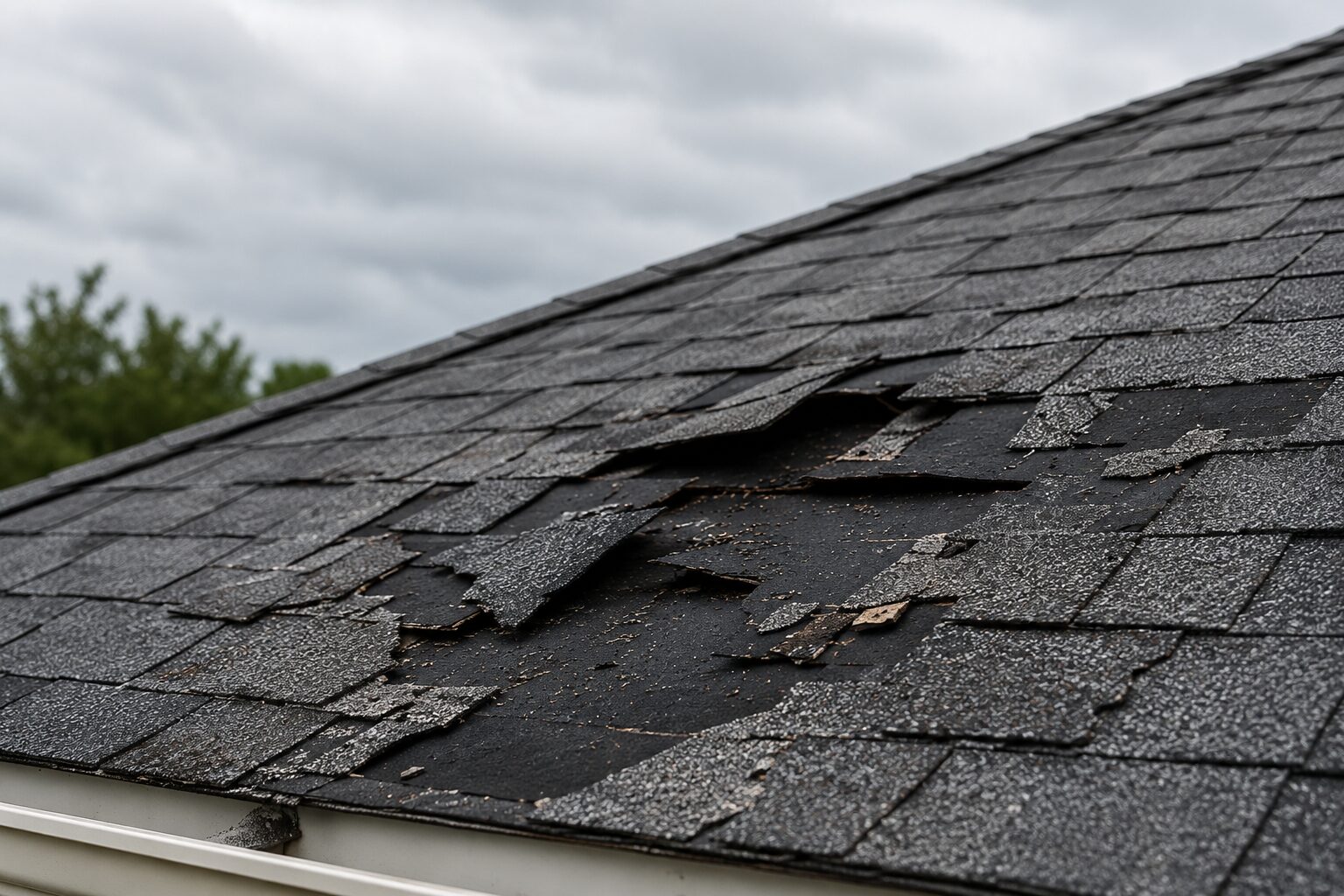
High winds can loosen, lift, or remove shingles. Even a small exposed area can allow water to enter the roof system if it is not addressed.
Ceiling Stains or Interior Leaks
Water spots, ceiling stains, bubbling paint, or active dripping can be signs that storm damage has allowed water into the home.
Damaged Flashing or Roof Details
Flashing around vents, chimneys, valleys, skylights, and other roof penetrations can be affected by wind-driven rain or debris.
Granules Around the Home
Shingle granules that look like small colored stones may show up near downspouts, walkways, or around the home after heavy rain or storm activity.
Fallen Limbs or Debris
Branches, debris, or impact marks can indicate areas that should be evaluated, especially if something struck the roof during the storm.
Loose Gutters or Roof Edges
Damaged gutters, loose drip edge, or lifted roof edges can point to wind damage or areas where water may begin entering the roof system.
Some storm damage is not easy to see from the ground.
If your area had strong winds, hail, heavy rain, or hurricane conditions, a professional storm damage roof inspection can help identify issues that may not be obvious right away.
INSURANCE OR ROOFER
Should I Call Insurance or
a Roofer First?
If you believe your roof has storm damage and you plan to file a claim, contact your insurance company to understand their process. Hurricane roof damage in Florida can affect homes differently depending on wind direction, rain, debris, and the roof’s age, so scheduling a professional roof evaluation can also help document visible areas of concern.
If You Plan to File a Claim
Contact Your Insurance Company
Your insurance company can explain your policy, claim process, documentation needs, and next steps. Every policy is different, so it is important to follow their guidance if you believe the roof damage may be claim-related.
If You Need to Understand the Roof
Schedule a Roof Evaluation
A professional roof evaluation can help identify roof damage after a storm, document visible concerns, and explain whether the issue may require repair, replacement, or further review.
The goal is to get the right information early.
After Florida storm damage, timing matters. Insurance companies and roofing contractors can get busy quickly after severe weather, so it is better to start the process early rather than waiting for a small issue to become a larger problem.
Covenant Roofing and Construction, Inc.® can evaluate your roof and explain what we see so you have clearer information before deciding what to do next.
VIDEO GUIDE
Watch: What to Do After Roof Storm Damage in Florida
Not sure where to start after severe weather? In this short video, we explain the first steps to take after roof storm damage in Florida and why a professional roof evaluation can help.
ROOF EVALUATION
What Does a Professional Roof Evaluation Look For After a Storm?
A storm damage roof inspection looks at more than the obvious surface damage. A professional roofer can check the roof system, roof details, visible wear, possible leak points, and areas that may have been affected by wind, rain, hail, or debris.
Shingles and Roofing Materials
The evaluation may look for missing, lifted, cracked, bruised, loose, or deteriorated roofing materials that could allow water into the roof system.
Flashing and Roof Penetrations
Flashing around vents, chimneys, skylights, valleys, and other roof penetrations is checked because these areas can be vulnerable after wind-driven rain or debris impact.
Roof Edges and Drip Edge
Roof edges, drip edge, and perimeter areas may be checked for lifting, loosened materials, or damage caused by high winds.
Gutters, Downspouts, and Debris Areas
Gutters, downspouts, and areas where debris collected can help indicate how water moved across the roof and whether materials may have been affected.
Interior Leak Clues
Ceiling stains, attic moisture, bubbling paint, or signs of water intrusion can help connect interior concerns to possible roof damage after storm activity.
Repair or Replacement Needs
The evaluation can help determine whether the issue appears isolated enough for roof repair or whether more widespread storm damage may require a larger solution.
Documentation matters after storm damage.
A professional roof evaluation can help document visible roof damage after a storm and explain what areas may need attention. That information can help you understand your next step, whether that means a repair, replacement, or additional review.
REPAIR OR REPLACE
When Can Storm Damage
Be Repaired vs. When Is
Replacement Needed?
A professional roof evaluation can help determine whether Florida storm damage roof repair is enough or whether replacement may make more sense. Florida storm damage roof repair may be the right option when the damage is isolated and the rest of the roof system is still performing well.
Repair May Be Enough If
The Damage Is Isolated
- The damage is limited to one small area
- The roof is newer or still in good overall condition
- There are only a few missing or damaged shingles
- The leak source is clear and isolated
- Flashing or a small roof detail can be corrected
- The rest of the roof system is performing well
Replacement May Be Needed If
The Damage Is Widespread
- Storm damage affects multiple areas of the roof
- The roof is near the end of its expected lifespan
- Leaks keep coming back after previous repairs
- There is significant shingle deterioration or granule loss
- Damaged decking or long-term moisture issues are found
- A repair would not address the larger roofing problem
The right answer depends on the condition of your roof.
A professional roof evaluation can help determine whether storm damage roof repair is enough or whether replacement may make more sense. The decision should be based on the roof’s age, condition, visible damage, leak history, and whether the issue is isolated or widespread.
If you are unsure which option is right for your home, read our guide to roof repair vs. roof replacement.
STORM CHASERS
How Can Homeowners Avoid Storm-Chaser Roofing Scams?
After major storms, out-of-area roofers may show up quickly and pressure homeowners to sign before they understand the scope of work. Be cautious, ask questions, and make sure any roofing contractor you consider is properly licensed, insured, and willing to explain the process clearly.
Avoid High-Pressure Sales Tactics
Be cautious if someone pressures you to sign immediately, says the offer is only good today, or does not give you time to review the estimate and ask questions.
Confirm Licensing and Insurance
A trustworthy roofing contractor should be able to explain licensing and insurance clearly before any work begins.
Get the Scope in Writing
Your roofing estimate should explain the materials, scope of work, repair or replacement recommendation, warranty terms, and how hidden damage will be handled.
Be Careful With Vague Promises
Watch for vague claims, unclear pricing, missing documentation, or promises that sound too easy without explaining the actual roofing work required.
Check Local Reputation
Look for a roofing company with a local presence, verified reviews, clear contact information, and a history of serving homeowners in your area.
Do Not Sign Before You Understand
Before signing anything, make sure you understand the estimate, project scope, payment terms, timeline, warranty, and who will be performing the work.
A good contractor should make you feel informed, not pressured.
After storm damage, homeowners need clear information and honest guidance. Take time to compare roofing estimates, ask questions, and choose a roofing contractor who explains the work instead of rushing your decision.
For more guidance, read our guide on how to compare roofing estimates.
OUR APPROACH
How Covenant Roofing Handles Storm Damage Support
After roof storm damage in Florida, homeowners need clear communication, honest guidance, and a roofing team that can help explain what is happening with the roof. Covenant Roofing and Construction, Inc.® provides storm damage roofing services to help evaluate the roof, document visible areas of concern, and explain the options that may make sense for your home.
We Start With a Roof Evaluation
Our team looks at the condition of the roof, visible storm damage, possible leak points, and areas that may need repair or replacement.
We Explain What We See
Storm damage can be confusing for homeowners. We explain visible concerns in plain English so you understand what may be happening with your roof.
We Document Areas of Concern
If damage is visible, documentation can help you understand the condition of the roof and what areas may need attention.
We Help You Understand Your Options
Depending on the roof’s age, condition, and damage, we can explain whether a repair may be enough or whether replacement may need to be considered.
We Use Our Own Employees
Covenant Roofing uses its own full-time employees rather than subcontracted roofing crews, helping us better control communication, scheduling, quality, and workmanship.
We Focus on Clear Communication
Our goal is to help homeowners understand the process, the recommendation, and the next step without pressure or confusion.
The Difference Is The Promise®.
When your roof may have storm damage, you should not have to guess what to do next. Covenant Roofing and Construction, Inc.® helps homeowners understand the condition of their roof and the options available.
STORM DAMAGE ROOF FAQS
Common Questions About Roof Storm Damage in Florida
These storm damage roof FAQs can help Florida homeowners understand what to do after severe weather, when to schedule a roof evaluation, and what signs may point to repair or replacement needs.
What should I do first if I think my roof has storm damage?
+
If you notice roof damage after storm activity, stay safe and do not climb onto the roof. Look for visible signs from the ground, document anything you can safely see, contact your insurance company if you plan to file a claim, and schedule a professional roof evaluation.
How do I know if my roof has storm damage?
+
Signs of roof storm damage can include missing or lifted shingles, ceiling stains, interior leaks, damaged flashing, loose roof edges, debris impact, granules around the home, or gutters and downspouts that appear damaged after severe weather.
Should I call insurance or a roofer first after storm damage?
+
If you plan to file a claim, contact your insurance company to understand their process. A professional roof evaluation can also help identify visible areas of concern and give you clearer information about the condition of your roof.
Can storm damage to a roof be repaired?
+
Yes, Florida storm damage roof repair may be enough if the damage is isolated and the rest of the roof is still in good condition. If damage is widespread, recurring, or tied to an aging roof system, replacement may need to be considered.
Does storm damage always mean I need a new roof?
+
No. Not every case of hurricane roof damage in Florida means the roof needs to be replaced. The right solution depends on the roof’s age, condition, visible damage, leak history, and whether the issue is isolated or widespread.
How soon should I schedule a roof evaluation after a storm?
+
It is best to schedule a storm damage roof inspection as soon as you notice possible damage or after severe weather affects your area. In Florida, roofers and insurance companies can get busy quickly after storms, so starting early can help avoid delays.
How can I avoid storm-chaser roofing scams?
+
Be cautious of high-pressure sales tactics, vague promises, unclear pricing, or contractors who cannot explain licensing, insurance, materials, warranties, and the full scope of work. A good contractor should make you feel informed, not rushed.
What does Covenant Roofing look for after storm damage?
+
Covenant Roofing looks at the roof’s condition, visible storm damage, possible leak points, shingles or roofing materials, flashing, roof edges, debris impact, and signs that repair or replacement may need to be considered. Our storm damage roofing services are designed to help homeowners understand what may need attention after severe weather.
NEXT STEP
Think Your Roof Has Storm Damage?
Covenant Roofing and Construction, Inc.® can evaluate your roof, document visible areas of concern, and explain whether storm damage roof repair, roof replacement, or storm damage roofing services may make sense for your home.
Honest Recommendations
We recommend what makes the most sense for your home and budget.
Photos Included
with Evaluation
You’ll see exactly what
we see—no guesswork.
Financing Options
Available
Flexible solutions to fit
your budget.
No Pressure
Approach
We’re here to help,
not to push.
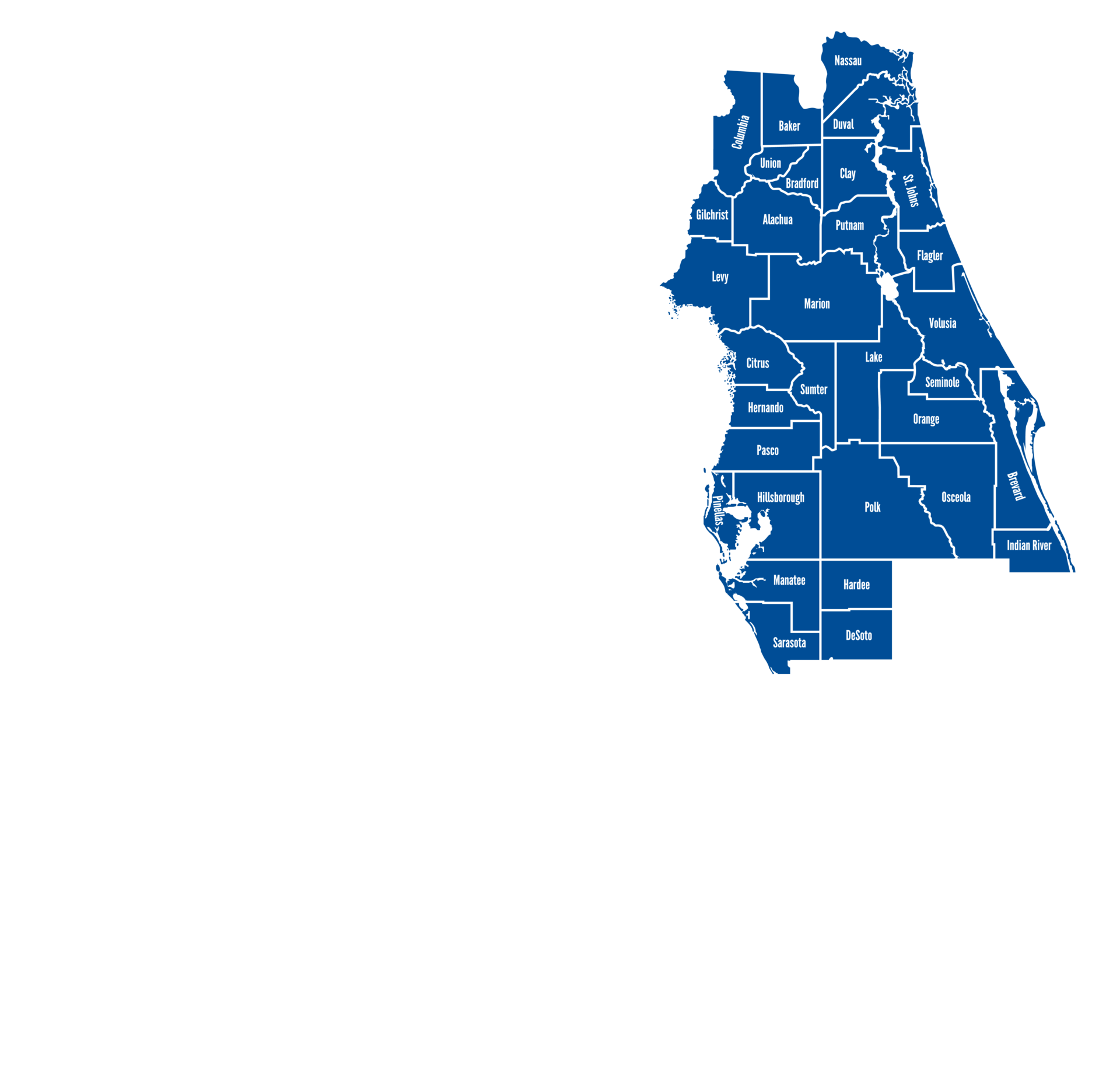
Reviewed by Covenant Roofing and Construction, Inc.®, a Florida licensed and insured roofing contractor serving homeowners across North, Central and Coastal Florida.